In-App Advertising Strategy: Tap into 16% Annual Growth
The digital landscape has undergone a profound transformation, with mobile devices and smartphones now dominating daily routines, entertainment choices, and purchasing decisions. This seismic shift in consumer behavior has created an undeniable imperative for businesses: effective mobile app advertising strategies are no longer optional but indispensable for reaching today's consumers. The numbers tell a compelling story: the in-app advertising sector is experiencing remarkable growth, expanding by an impressive 16% annually. For marketers and app developers alike, understanding and leveraging this growth hinges on a robust in app advertising network strategy.
In-app advertising isn't just a trend; it's a fundamental pillar of modern mobile monetization and user acquisition. It offers a direct conduit to engaged audiences, placing your brand messages right where users spend a significant portion of their digital time. But what exactly is it, how does it function within a complex ecosystem, and most importantly, how can you develop a strategy to harness its immense potential?
What is In-App Advertising and Why It Matters Now
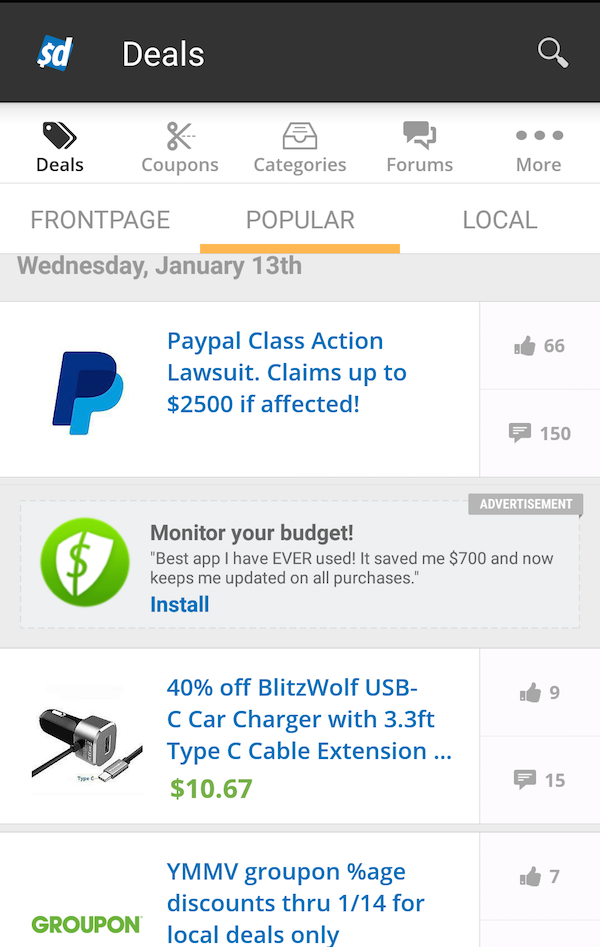
At its core, in-app advertising is a mobile marketing strategy that integrates advertisements directly into mobile applications. From the moment a user launches their favorite game, social media platform, or utility app, they are presented with various ad formats – from subtle banner ads to interactive interstitials and highly engaging rewarded videos. App developers integrate these ads using sophisticated toolkits and platforms, carefully balancing monetization goals with user experience.
The strategic importance of in-app advertising cannot be overstated, especially in a market dominated by free-to-download apps. While users flock to apps that cost nothing upfront, developers need sustainable revenue streams. In-app ads provide exactly that, offering a powerful monetization model that supports app development, maintenance, and growth, all while keeping the app accessible to a broad user base. It's a win-win: users get free content, and developers get the resources to innovate.
The true value, however, extends beyond just revenue. In-app advertising delivers unparalleled access to an audience that is already engaged. Rather than hoping users stumble upon ads in cluttered web browsers or generic social media feeds, this approach puts your message directly in front of active users, often within contexts highly relevant to their interests. This direct engagement significantly boosts the likelihood of interaction and conversion, making it a cornerstone of any effective mobile marketing plan.
The Powerhouse Behind In-App Ads: Understanding the In App Advertising Network Ecosystem
Bringing an ad to a user's screen within an app is a sophisticated process involving multiple parties working in concert. At the heart of this complex machinery is the in app advertising network, acting as a crucial intermediary that connects the dots between those who want to show ads and those who want to promote their products.
How In-App Advertising Works: A Glimpse into the Ecosystem
The in-app advertising ecosystem can be broken down into several key players:
- Ad Networks: These are the brokers that form the backbone of the system. An in app advertising network connects app developers (publishers who have ad space) with advertisers (brands looking to promote their products). They manage vast inventories of ad space and campaigns, facilitating the matching process.
- Buy Side (Advertisers & Agencies): This encompasses the advertisers and their agencies who create mobile ad campaigns and are looking to place ads within various apps to reach specific audiences. They define targeting parameters, budgets, and creative assets.
- Sell Side (App Developers & Publishers): These are the app owners and publishers who integrate ad units into their applications. They use mediation platforms and Software Development Kits (SDKs) to connect with multiple in app advertising networks and manage the inventory of ad space available in their apps. The SDK is a vital component, managing communication between the app and the ad network to ensure ads are displayed correctly and data is exchanged efficiently.
- Ad Exchange: A digital marketplace where advertisers can bid for ad space in real-time. It's an auction-based system that facilitates transactions between buyers and sellers programmatically.
- Demand-Side Platform (DSP): Advertisers and agencies use DSPs to automate the buying of ad space across multiple ad exchanges and networks. DSPs allow for sophisticated targeting, bidding optimization, and campaign management, ensuring ads reach the most relevant audiences efficiently.
- Supply-Side Platform (SSP): Publishers use SSPs to manage and optimize their ad inventory. SSPs connect to various ad exchanges and networks, allowing publishers to control which ads are shown, set floor prices, and maximize their revenue from ad space.
The process of an ad being displayed typically follows these steps:
- The mobile app, via its integrated SDK, sends an ad request to its connected in app advertising network (or multiple networks via a mediation platform).
- The ad network, or an ad exchange it's connected to, receives this request and matches it with an advertiser's campaign based on targeting criteria (user demographics, app category, device type, etc.).
- The selected ad is then sent back to the app and displayed to the user, often within milliseconds.
The Power of Real-Time Bidding (RTB)
Much of this transaction happens through Real-Time Bidding (RTB). In an RTB environment, when an ad impression becomes available within an app, an auction instantly takes place. Advertisers, through their DSPs, bid on that impression in real-time. The highest bidder wins the right to display their ad, ensuring that publishers monetize their ad space effectively and advertisers reach their desired audience with maximum relevance. This speed and efficiency are critical to the success of modern in-app advertising.
Key Players in the In App Advertising Network Landscape
To truly succeed in mobile monetization and user acquisition, partnering with the right platforms is crucial. Top in app advertising networks and platforms empower app owners and marketers to boost their revenue and enhance their marketing campaigns. Industries like gaming, entertainment, social media, and subscription-based apps are already driving substantial revenues from in-app advertising, proving the model's versatility and effectiveness.
Leveraging these sophisticated platforms allows app developers to efficiently monetize their user base by offering highly targeted and measurable ways to capture audience attention. Precise targeting ensures ads are shown to the most relevant users, maximizing engagement and return on investment for marketers. This symbiotic relationship benefits both app publishers seeking revenue and advertisers seeking engaged users.
For a deeper dive into how these entities interact, explore our article on Understanding In-App Ad Networks: DSPs, SSPs & Ad Exchanges.
Crafting a Winning In-App Advertising Strategy: Best Practices & Tips
Simply placing ads isn't enough; a strategic approach is vital to convert growth potential into tangible results. Here are some best practices for maximizing your in-app advertising efforts:
- Prioritize User Experience: Ads should enhance, not detract from, the user experience. Opt for less intrusive formats like rewarded video (where users choose to watch an ad for an in-app reward) or native ads that blend seamlessly with app content. Avoid excessive ad frequency or disruptive interstitials that appear unexpectedly.
- Leverage Data for Precise Targeting: The beauty of in-app advertising lies in its targeting capabilities. Utilize data such as app usage patterns, user demographics, location, and device information to deliver highly relevant ads. A well-targeted ad feels less like an interruption and more like a helpful suggestion.
- Diversify Ad Formats: Don't put all your eggs in one basket. Experiment with various ad formats – banner ads, interstitials, rewarded video, native ads, playable ads – to see which perform best for your specific app and audience segments. Each format has its strengths and ideal use cases.
- A/B Test Everything: Continuously test different ad creatives, placements, frequencies, and formats. Small optimizations can lead to significant improvements in engagement rates and revenue.
- Monitor and Optimize Performance: Track key metrics like eCPM (effective cost per mille), fill rate, click-through rate (CTR), and conversion rate. Use this data to identify underperforming ads or placements and make data-driven adjustments to your strategy.
- Consider Mediation Platforms: For publishers, using an ad mediation platform is crucial. It allows you to connect with multiple in app advertising networks simultaneously, optimizing ad delivery by serving ads from the network that offers the highest eCPM in real-time, thereby maximizing your ad revenue.
- Combat Ad Fraud: Be vigilant against ad fraud. Work with reputable in app advertising networks and platforms that employ robust fraud detection and prevention measures to ensure your ad spend is going towards genuine impressions and clicks.
Conclusion
The 16% annual growth rate of in-app advertising is a clear signal: the future of mobile marketing is deeply embedded within our applications. For businesses looking to connect with a highly engaged audience, understanding and strategically leveraging the power of an in app advertising network is non-negotiable. By prioritizing user experience, embracing data-driven targeting, and continuously optimizing strategies, both publishers and advertisers can tap into this immense potential. As mobile devices continue to solidify their place at the center of our digital lives, in-app advertising will remain a vital and evolving frontier for brand engagement and monetization.